HOOF & VINE / SOUTHERN OREGON
What to Know About Water Rights When Buying Rural Property in Southern Oregon
Water Rights
Hoof & Vine Real Estate Team
Publication date will be added after editorial approval.

What to Know About Water Rights When Buying Rural Property in Southern Oregon
Water can be one of the most important parts of a rural property purchase in Southern Oregon.
It can affect pasture, livestock, gardens, vineyards, orchards, ponds, irrigation, agricultural production, and the long-term usefulness of the land.
But seeing a creek, river, pond, ditch, or well on a property does not necessarily mean the owner has an unrestricted right to use that water.
In Oregon, water rights are regulated by the Oregon Water Resources Department, and landowners generally need authorization to use water from streams, lakes, or groundwater unless a specific exemption applies. Oregon.gov
That makes water-right due diligence an important part of evaluating many rural properties.
Water on the Property Is Not the Same as a Water Right
A common mistake is assuming that if water is physically present, it can automatically be used.
That is not necessarily true.
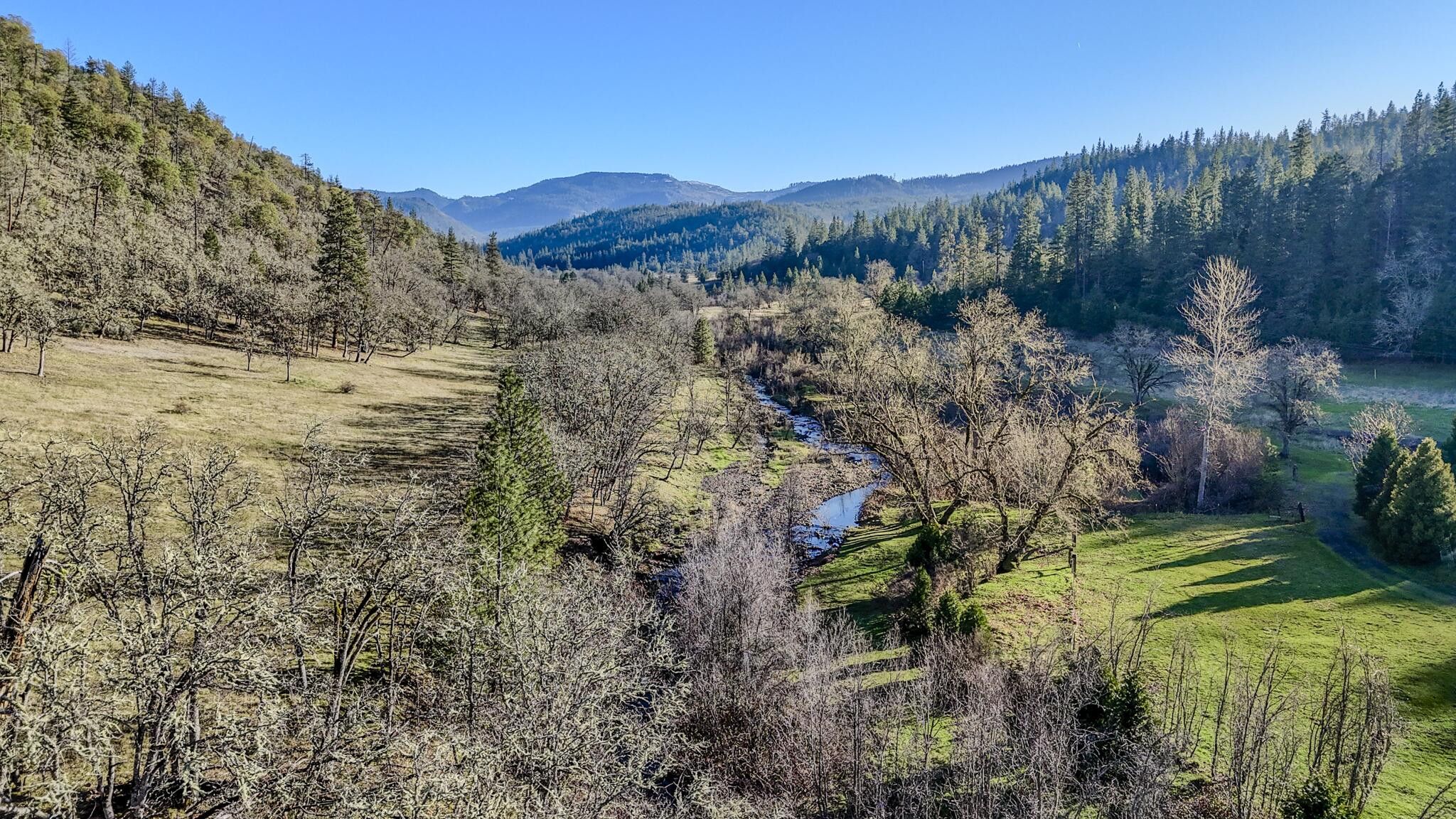
A creek may cross the property. A river may form a boundary. A pond may exist on-site. A well may already be drilled.
But the legal right to use water depends on the authorization associated with that specific use.
Oregon water rights can specify details such as:
the water source
the point of diversion or well
the place where the water may be used
the authorized type of use
the amount of water
the priority date
seasonal limitations
other conditions
Buyers should review the actual water-right record rather than relying only on what they can see on the land. Oregon.gov
Priority Date Matters
Oregon follows the principle of prior appropriation.
In simple terms, older water rights generally have priority over newer rights when water supplies are insufficient to satisfy everyone.
That means the priority date of a water right can matter, particularly during drought or low-flow conditions.
A senior right and a junior right may have very different practical value even if both appear to authorize irrigation. Oregon.gov
For a buyer planning to rely heavily on irrigation, the age and status of the right may be important parts of due diligence.
Verify What Land Is Actually Covered
A water right is not necessarily attached to every acre of a parcel.
For example, a 40-acre property may only have irrigation rights for a portion of that acreage.
The place of use described in the water-right record matters.
Buyers should verify:
how many acres are covered
where those acres are located
whether the mapped place of use matches the property
whether the intended area of irrigation is authorized
The Department maintains water-right records and maps that can help identify the authorized place of use. Oregon.gov
The Type of Use Matters Too
Water rights are generally issued for a specific purpose.
Examples may include:
irrigation
domestic use
livestock
commercial use
storage
other authorized uses
A buyer should not assume that water authorized for one purpose can simply be used for something else.
Oregon restricts water use to the terms of the right, including the authorized place, point of diversion, and type of use. Changing those terms may require a formal transfer or other approval. Oregon.gov
Irrigation District Water Is Different From a Private Water Right
Some Southern Oregon properties receive irrigation through a district.
That can be extremely valuable, but buyers should understand exactly what is included.
Questions may include:
Which irrigation district serves the property?
How many acres receive district water?
What delivery system is used?
Are there annual assessments or fees?
How is water delivered to the property?
Are pumps, ditches, pipelines, or wheel lines included?
Are there seasonal limitations?
Is the water supplemental or primary?
District-served property may also be subject to district-specific procedures if the place or type of use is changed. Oregon.gov
Review the Actual Water-Right Documents
Do not stop at a listing description that says:
“Water rights included.”
Ask for the documentation.
Depending on the property, this may include:
certificate
permit
transfer approval
maps
irrigation-district records
ownership records
historical documents
correspondence from the Water Resources Department
The Oregon Water Resources Department provides a Water Right Information Search that allows users to research existing permits and certificates. Oregon.gov
If the water right is especially important to the purchase, consider having the records reviewed by a qualified professional such as a certified water-right examiner or attorney familiar with Oregon water law.
Ownership Records May Need to Be Updated
When property changes hands, water-right records may also need to be updated.
For certificated water rights, the new owner can submit an ownership update to the Oregon Water Resources Department.
For certain non-certificated rights — such as permits, applications, transfers, or other pending authorizations — an assignment process may be required instead. Oregon.gov
This is worth understanding during the transaction rather than discovering it later.
Sellers Have Disclosure Obligations Related to Water-Right Documents
Oregon law requires a seller who is transferring land described in a water right to inform the buyer in writing whether certain water-right documents are available after accepting an offer.
If available, those documents must also be delivered to the purchaser at closing. Oregon.gov
That does not replace buyer due diligence, but it reinforces why water-right documentation should be addressed early in a rural transaction.
Changing a Water Right Requires Approval
A buyer may love the property but want to use the water differently.
That might mean:
irrigating different acreage
moving the point of diversion
changing the well or diversion location
changing the type of use
Those changes generally cannot simply be made informally.
Oregon has a formal transfer process for changing the place of use, point of diversion or appropriation, or character of use of a water right. The Department must approve the change before the new use begins. Oregon.gov
So if your purchase strategy depends on modifying the water right, investigate feasibility before closing.
A Well and an Irrigation Right Are Different Things
A private well may supply household water, irrigation, livestock, or another use depending on the circumstances and authorization involved.
That is separate from a surface-water irrigation right or irrigation-district allocation.
Buyers should identify each water source independently.
A property may have:
domestic well
irrigation well
district irrigation
creek irrigation
spring
pond
multiple sources
The usefulness of the property may depend on how those sources work together.
Physical Infrastructure Matters
Legal rights are only part of the picture.
The physical system also matters.
A property may have a valid irrigation right but still require significant work if the delivery infrastructure is poor.
Look at:
pumps
pipelines
ditches
headgates
wheel lines
sprinklers
electrical service
storage ponds
filters
distribution systems
Ask whether the equipment is included in the sale and whether it appears to be operating properly.
Historical Use Can Matter
Some water-right questions depend on the history of use.
If a right has not been used or the actual use does not match the record, additional investigation may be appropriate.
A buyer should avoid assuming that a paper right automatically means the current system is fully valid, active, or usable exactly as expected.
Where the history is unclear, a certified water-right examiner or other qualified professional may be useful.
Questions to Ask Before Buying a Property With Water Rights
Before purchasing rural property where water is important, consider asking:
What water rights are associated with the property?
Are they certificated or still under permit?
What is the priority date?
What source supplies the water?
How many acres are authorized for irrigation?
Where is the authorized place of use?
What type of use is permitted?
Is the water supplied through an irrigation district?
Are there annual district fees?
What irrigation equipment is included?
Are there maps and certificates available?
Has the water right been modified or transferred?
Do ownership records need to be updated?
Has the water been used consistently?
Does my intended use match the existing authorization?
The answers can materially affect both the value and usefulness of the property.
Why Water Rights Matter to Rural Property Value
Water can dramatically change what land can support.
Irrigated pasture may be more useful for horses or livestock.
Reliable agricultural water may make a property more attractive for farming, vineyards, orchards, gardens, or other productive uses.
Waterfront property can also carry significant lifestyle value.
But the value comes from understanding both the physical water and the legal right to use it.
Buying Rural Property in Southern Oregon
Southern Oregon properties can involve irrigation districts, private wells, springs, creeks, rivers, ponds, and historic water rights.
That complexity is one of the reasons rural due diligence is different from buying a conventional home.
Hoof & Vine works with buyers and sellers of ranches, farms, vineyards, acreage, equestrian property, waterfront property, and other rural real estate throughout Southern Oregon.
Our role is to help clients identify the important questions and connect them with the appropriate agency or qualified professional when water-right verification is needed.
Have Questions About Water Rights and Rural Property?
If you are considering buying or selling rural property in Southern Oregon, Hoof & Vine can help you identify the water-related questions that should be addressed before moving forward.
Related Southern Oregon Rural Property Resources

Wells & Septic
Wells and Septic Systems: What Southern Oregon Rural Buyers Should Know
Wells and Septic Systems: What Southern Oregon Rural Buyers Should Know
EFU / Land Use
What Buyers Should Know About EFU Property in Oregon
What Buyers Should Know About EFU Property in Oregon

Acreage
How Rural Acreage Is Valued in Southern Oregon
How Rural Acreage Is Valued in Southern Oregon
Have Questions About Rural Property in Southern Oregon?
Talk with Hoof & Vine about farms, ranches, vineyards, acreage, equestrian property, water, zoning, or selling a distinctive rural property.