HOOF & VINE / SOUTHERN OREGON
What Buyers Should Know About EFU Property in Oregon
EFU / Land Use
Hoof & Vine Real Estate Team
Publication date will be added after editorial approval.
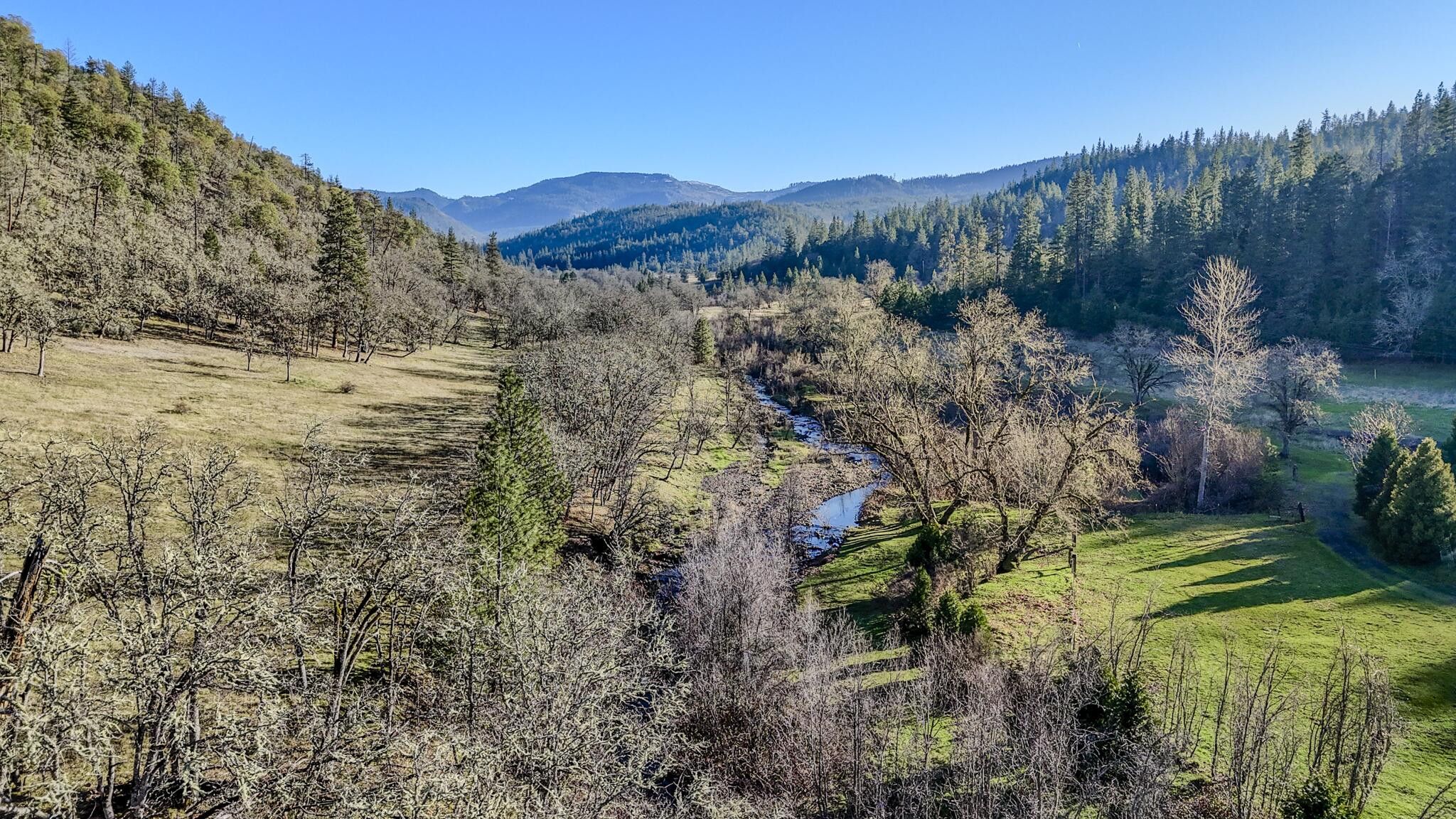
What Buyers Should Know About EFU Property in Oregon
Exclusive Farm Use, commonly called EFU, is one of the most important zoning classifications a rural property buyer can encounter in Oregon.
At a high level, EFU zoning exists to protect agricultural land and keep it available for farming and ranching. Oregon’s statewide land-use system requires counties to identify agricultural land and zone it for farm use, while limiting development that could conflict with commercial agriculture. Oregon.gov
That means an EFU property should not be evaluated like a conventional residential parcel.
The house matters, but so do the land, existing agricultural uses, zoning rules, water, improvements, and what the county will or will not allow you to do in the future.
What Does EFU Mean?
EFU stands for Exclusive Farm Use.
The purpose of an EFU zone is to preserve agricultural land for farm use and reduce conflicts between farming and unrelated development. Oregon law defines farm use broadly around activities such as raising and selling crops and livestock, and state land-use rules allow certain additional uses under specific circumstances. Oregon.gov
For buyers, the important point is that EFU zoning is not simply a label.
It affects how the property may be used, what structures or businesses may be allowed, whether additional dwellings are possible, and what approvals may be required.
Do Not Assume You Can Build Whatever You Want
One of the biggest mistakes a buyer can make is assuming that acreage automatically means development flexibility.
On EFU land, additional dwellings, commercial uses, event venues, farm stands, wineries, agritourism activities, and other non-farm uses can be subject to very specific rules and county approval requirements.
Oregon allows a number of non-farm uses on EFU land, but those uses are governed by state law and local ordinances, and the details can vary by county and property. Oregon.gov
If your purchase depends on a future use, verify that use before closing.
Examples include:
building another residence
creating a wedding or event venue
operating a short-term rental
adding a farm stand
developing a winery
creating an agritourism business
partitioning the land
adding commercial activity
constructing agricultural buildings
Do not rely on assumptions, old listings, or what a neighboring property appears to be doing.
County Rules Matter
Oregon sets the statewide framework, but counties administer zoning through their own comprehensive plans and land-use ordinances. Oregon.gov
That means an EFU property in Jackson County may need to be evaluated differently from one in Josephine or Klamath County.
Before purchasing, buyers should confirm the property’s zoning and ask the appropriate county planning department about any intended future uses.
If you are buying property specifically for development, business activity, additional housing, or a nontraditional agricultural use, this step is especially important.
EFU Does Not Mean “Nothing Can Be Built”
EFU zoning is restrictive, but it does not mean the property is frozen in place.
Oregon law allows a variety of farm and non-farm uses on EFU land, and some uses may be permitted outright while others require review or approval.
The important distinction is that development is generally expected to remain compatible with agricultural land protection.
That is why a buyer should focus less on the question:
“Can I build on EFU?”
and more on:
“What exactly is allowed on this parcel, under this county’s rules, for the use I have in mind?”
Understand the Existing Improvements
When buying EFU property, look closely at what is already there.
That may include:
primary residence
secondary residence
ADU
barn
shop
agricultural buildings
livestock structures
irrigation infrastructure
well
septic system
fencing
farm stand
winery improvements
Existing improvements can be a major part of the value of an EFU property.
But buyers should verify whether important structures and uses were legally established and permitted where required.
Ask About Water and Irrigation
Water can be central to the usefulness of agricultural land.
An EFU property may have:
irrigation-district water
individual water rights
creek or river irrigation
wells
springs
ponds
shared systems
The zoning itself does not tell you what water is available.
If agricultural use is important to your purchase, investigate the actual water source, documentation, delivery system, and any associated rights or limitations.
This is one of the areas where qualified water-right professionals or the appropriate state and local agencies may be needed.
EFU and Property Taxes Are Related — But Not Identical
Buyers sometimes assume that EFU zoning automatically tells them everything about farm-use property-tax treatment.
It does not.
Oregon’s Department of Revenue specifically distinguishes land-use zoning rules from property-tax special-assessment rules. Qualification for farm-use assessment is governed under separate tax statutes, not simply by the fact that a property is zoned EFU. Oregon.gov
If reduced farm-use property taxes are important to the purchase, verify the current assessment status and understand what could cause a change after closing.
Large Parcels and Partitioning
Oregon’s farmland-protection system is designed in part to prevent productive agricultural land from being broken into parcels too small to support commercial agriculture.
The state notes that EFU land commonly has large minimum parcel sizes, often around 80 acres for farmland and 160 acres for ranchland, although specific rules and exceptions depend on the property and county. Oregon.gov
That means buyers should not assume a large EFU parcel can simply be divided into several smaller homesites.
If partition potential is part of your purchase strategy, confirm it directly with the county before relying on it.
Agritourism and Farm Businesses Require Planning
EFU land can support many agricultural activities, and certain agritourism uses may also be allowed.
For example, Oregon permits some farm-direct marketing, farm stands, winery activities, and agricultural events under specific rules. Oregon.gov
However, not every business concept belongs on EFU land.
Uses such as restaurants, large event venues, lodging, retail activity, and other commercial operations may face restrictions or permit requirements.
If your business plan is central to the purchase, investigate the rules before buying the property rather than after.
Think About Neighboring Farm Uses
EFU land is intended to support agriculture.
That can mean neighboring properties may have active farming, livestock, machinery, dust, spraying, noise, irrigation activity, or seasonal operations.
Buyers moving from suburban or urban environments should understand that these activities can be part of normal rural life.
This is another reason to evaluate the surrounding area, not just the house and acreage you are purchasing.
Questions to Ask Before Buying EFU Property
Before purchasing an EFU property in Oregon, consider asking:
What is the exact zoning designation?
What uses are permitted outright?
What uses require county approval?
Are all existing structures permitted?
Is another dwelling possible?
Can the property be partitioned?
What water rights or irrigation are included?
What wells and septic systems serve the property?
Are there easements or access issues?
Is the land currently receiving farm-use tax treatment?
What happens to that tax treatment after a sale?
Are there agricultural leases or existing farm operations?
Does my intended business or property use comply with county rules?
The answers can materially affect whether a property is a good fit.
Why Due Diligence Matters More on EFU Land
EFU property can be incredibly valuable for the right buyer.
It can offer productive land, privacy, agricultural opportunity, lifestyle flexibility, and long-term ownership potential.
But the value of the property depends heavily on what you can actually do with it.
That is why rural buyers should verify zoning, water, access, improvements, and intended uses before making decisions based on assumptions.
Buying EFU Property in Southern Oregon
Hoof & Vine works with buyers and sellers of farms, ranches, vineyards, acreage, equestrian properties, and other rural real estate throughout Southern Oregon.
When evaluating EFU property, our role is to help clients identify the important questions early and connect them with the appropriate county, agency, or qualified professional when specialized verification is needed.
EFU rules can be complex, and property-specific answers should always be confirmed with the appropriate planning authority or professional before a buyer relies on them.
Have Questions About EFU Property in Southern Oregon?
If you are considering buying or selling EFU-zoned property in Southern Oregon, Hoof & Vine can help you understand the property, identify important due-diligence questions, and navigate the rural real estate process.
Related Southern Oregon Rural Property Resources

EFU / Land Use
What Buyers Should Know About RR-5 Zoning in Southern Oregon
What Buyers Should Know About RR-5 Zoning in Southern Oregon

Water Rights
What to Know About Water Rights When Buying Rural Property in Southern Oregon
What to Know About Water Rights When Buying Rural Property in Southern Oregon

Wells & Septic
Wells and Septic Systems: What Southern Oregon Rural Buyers Should Know
Wells and Septic Systems: What Southern Oregon Rural Buyers Should Know
Have Questions About Rural Property in Southern Oregon?
Talk with Hoof & Vine about farms, ranches, vineyards, acreage, equestrian property, water, zoning, or selling a distinctive rural property.