HOOF & VINE / SOUTHERN OREGON
How to Sell a Ranch in Southern Oregon
Selling Rural Property
Hoof & Vine Real Estate Team
Publication date will be added after editorial approval.

How to Sell a Ranch in Southern Oregon
Selling a ranch in Southern Oregon is different from selling a conventional home.
A ranch buyer is rarely evaluating only bedrooms, bathrooms, and square footage. They may also be looking at acreage, water, irrigation, fencing, barns, shops, wells, septic systems, access, zoning, soil, livestock infrastructure, multiple residences, public-land adjacency, and the long-term usefulness of the property.
That means the sale needs to be approached differently from the beginning.
At Hoof & Vine Real Estate Team, we believe the strongest ranch listings are built around a complete understanding of the land, improvements, lifestyle, and practical value of the property — not simply the house sitting on it.
Start With the Property Story, Not Just the House
Many rural properties have features that cannot be understood from a standard MLS data sheet.
Two ranches with similar acreage can have dramatically different value depending on factors such as water availability, usable terrain, irrigation, improvements, access, fencing, outbuildings, views, and location.
Before putting a ranch on the market, identify what makes the property distinctive.
That may include:
irrigated pasture
creek or river frontage
water rights
barns and livestock facilities
equestrian improvements
shops and equipment storage
multiple residences
guest houses or ADUs
cross-fencing
wells and springs
neighboring public land
hunting or recreational opportunities
agricultural production
vineyard or orchard potential
development or partition potential, where applicable
The goal is to give buyers a clear understanding of what the property actually offers.
Gather Rural Property Documentation Early
One of the best things a ranch seller can do is organize important property information before the listing goes live.
Rural buyers often ask more detailed questions than buyers of conventional homes. Having information available early can create confidence and reduce uncertainty later in the transaction.
Depending on the property, useful documentation may include:
well information
septic records
water-right documentation
irrigation information
surveys
zoning information
parcel maps
easements
access agreements
permits
information about additional residences
agricultural leases
fencing and infrastructure details
utility information
receipts or records for major improvements
Not every property will have every document, and sellers should confirm important legal, land-use, water, and regulatory questions with the appropriate professionals or public agencies.
The objective is simple: make it easier for a qualified buyer to understand what they are purchasing.
Understand Water, Irrigation, and Access
Water can be one of the most important components of a Southern Oregon rural property.
A buyer may want to understand the source of domestic water, irrigation availability, wells, springs, ponds, creeks, rivers, and any associated water rights.
These details can materially affect how a property can be used.
Access is equally important.
Private roads, shared driveways, easements, gated access, seasonal roads, bridge crossings, and public-land boundaries can all become important parts of a rural transaction.
Sellers do not need to become water-right or land-use attorneys. But they should be prepared to provide the information they have and direct buyers toward qualified professionals when additional verification is appropriate.
Position the Property for the Right Buyer
One of the biggest mistakes in rural real estate is marketing every property to everyone.
A 100-acre ranch with barns, irrigation, and livestock infrastructure may appeal to a very different buyer than a five-acre luxury estate with a shop and river frontage.
The marketing should reflect that.
Potential buyer groups might include:
ranchers
farmers
equestrian buyers
vineyard owners
retirees
out-of-state lifestyle buyers
recreational land buyers
investors
multigenerational families
buyers seeking a hobby farm
buyers looking for privacy and acreage
Understanding the likely buyer helps determine how the property should be photographed, described, advertised, and presented.
Market the Land Visually
Rural property is especially dependent on visual storytelling.
A buyer sitting hundreds of miles away may not understand the property from a few exterior photos of the house.
Strong ranch marketing should help them understand the entire property.
That can include:
professional photography
aerial drone photography
cinematic property video
maps and parcel imagery
photos of barns, shops, fencing, and pastures
water features
irrigation infrastructure
views and surrounding landscape
access roads
secondary residences
agricultural improvements
lifestyle imagery
Video can be particularly useful because it gives buyers a sense of scale.
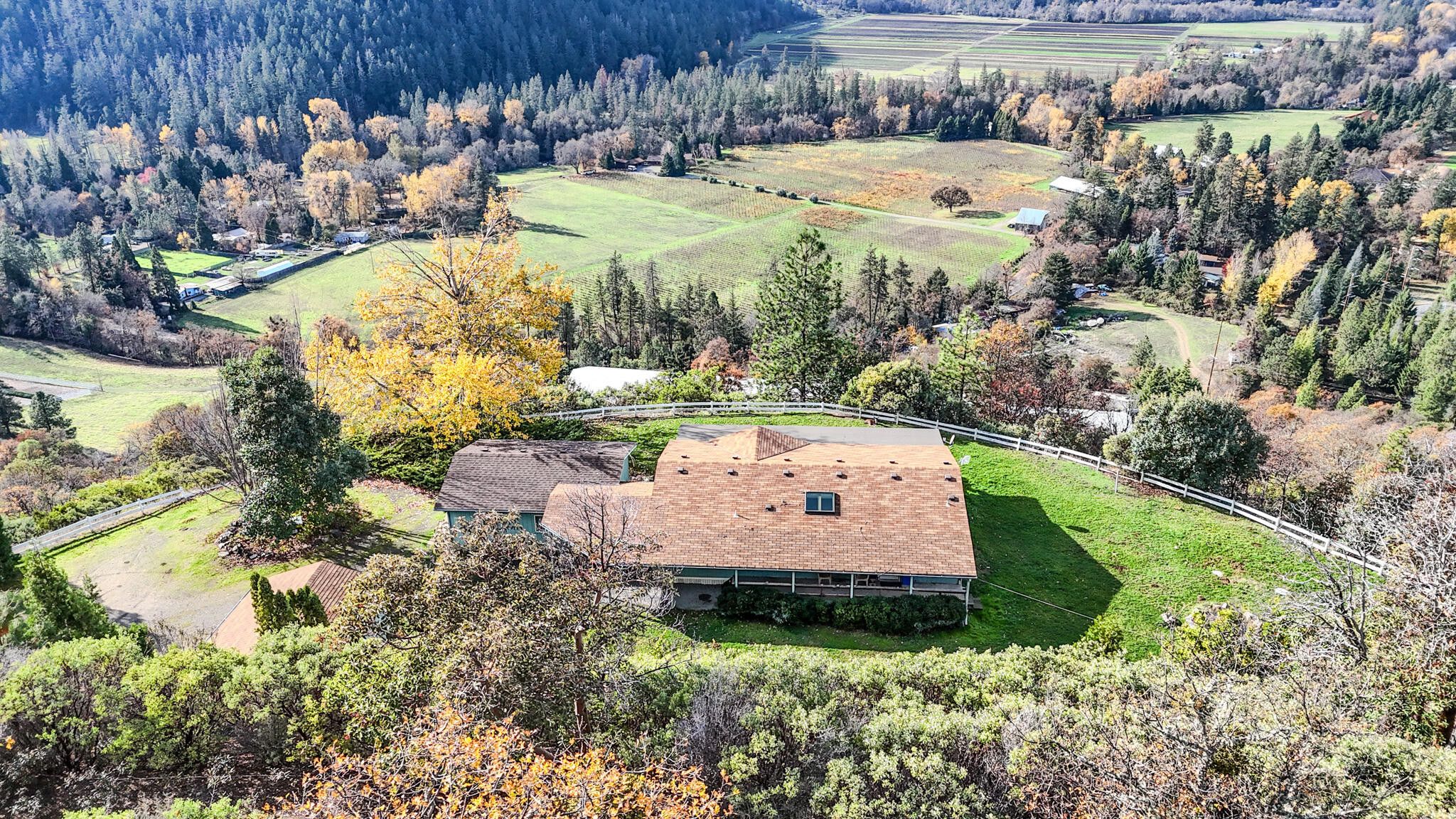
Aerial footage can show how the home, pastures, barns, waterways, roads, neighboring land, and acreage relate to each other in a way that still photography often cannot.
Price the Whole Property, Not Just the House
Price-per-square-foot can be useful in traditional residential real estate, but it often tells only a small part of the story with rural property.
A ranch may derive significant value from its:
acreage
irrigation
water rights
productive land
barns
shops
fencing
secondary residences
views
river frontage
privacy
location
agricultural improvements
That makes rural pricing more nuanced.
A strong pricing analysis should look beyond nearby houses and consider comparable properties with similar land characteristics, acreage, infrastructure, water, zoning, location, and use.
In some situations, the most useful comparable properties may be farther away or may have sold under different market conditions.
The objective is not simply to choose the highest possible asking price.
It is to position the property so qualified buyers understand the value while still creating enough market interest to produce a successful transaction.
Prepare for Rural Buyer Due Diligence
Rural buyers often investigate more issues than conventional residential buyers.
Depending on the property, they may evaluate:
well production
water quality
septic systems
irrigation
water rights
zoning
permitted uses
property boundaries
easements
access
livestock infrastructure
outbuilding condition
electrical capacity
fencing
soil
wildfire considerations
insurance availability
multiple residences
future development possibilities
Sellers should expect detailed questions.
That is not necessarily a bad sign.
For serious rural buyers, detailed due diligence is often simply part of understanding a complex property.
Having organized information available can help make that process smoother.
Make the Property Easy to Understand
Complexity creates hesitation.
If a buyer cannot understand what is included, how the property is laid out, where the parcels are located, how irrigation works, or what improvements exist, it becomes harder for them to confidently move forward.
A good ranch listing should simplify the story.
That might mean providing:
clearly labeled acreage
parcel information
maps
improvement summaries
property feature lists
water information
building descriptions
aerial imagery
The easier it is for a buyer to understand the property, the easier it becomes for them to evaluate it seriously.
Sell the Lifestyle Without Ignoring the Utility
Southern Oregon ranches can offer an extraordinary lifestyle.
Buyers may be drawn to privacy, mountain views, rivers, wildlife, horses, livestock, vineyards, gardens, trails, hunting, recreation, or simply having room to breathe.
That emotional appeal matters.
But rural-property marketing should balance lifestyle with practical information.
A beautiful sunset over a pasture creates interest.
Knowing that the pasture is fenced, irrigated, usable, and supported by appropriate infrastructure gives the buyer a reason to act.
The strongest rural marketing communicates both.
Why Specialized Rural Representation Matters
A ranch transaction can involve questions that do not commonly arise in a suburban residential sale.
Water, land use, agricultural improvements, multiple structures, access, irrigation, acreage, and specialized buyer expectations can all affect how the property is marketed and negotiated.
That is why rural property benefits from representation that understands more than the house.
Hoof & Vine Real Estate Team specializes in farms, ranches, vineyards, acreage, equestrian properties, waterfront property, and distinctive rural estates throughout Southern Oregon.
Our approach is built around understanding the entire property, identifying the most relevant buyer audience, and presenting the land and improvements in a way that helps qualified buyers understand what makes the property valuable.
Preparing to Sell a Southern Oregon Ranch
If you are considering selling, you do not need to have every answer before beginning the conversation.
A useful first step is simply understanding:
what you own
what makes the property distinctive
what documentation is available
who the likely buyer may be
how the property compares with recent rural sales
how it should be positioned in the current market
From there, a marketing and pricing strategy can be built around the property itself rather than forcing it into a generic residential template.
Have Questions About Selling Rural Property in Southern Oregon?
If you own a ranch, farm, vineyard, acreage property, equestrian property, waterfront estate, or other distinctive rural property in Southern Oregon, Hoof & Vine can help you evaluate how it may fit into the current market.
Related Southern Oregon Rural Property Resources

Acreage
How Rural Acreage Is Valued in Southern Oregon
How Rural Acreage Is Valued in Southern Oregon
Selling Rural Property
How to Prepare an Acreage Property for Sale
How to Prepare an Acreage Property for Sale

Southern Oregon Markets
Jacksonville vs Applegate Valley for Rural Property
Jacksonville vs Applegate Valley for Rural Property
Have Questions About Rural Property in Southern Oregon?
Talk with Hoof & Vine about farms, ranches, vineyards, acreage, equestrian property, water, zoning, or selling a distinctive rural property.