HOOF & VINE / SOUTHERN OREGON
How to Prepare an Acreage Property for Sale
Selling Rural Property
Hoof & Vine Real Estate Team
Publication date will be added after editorial approval.
How to Prepare an Acreage Property for Sale
Selling acreage is different from selling a conventional home.
Buyers are not only evaluating the residence. They are also evaluating the land, access, water, fencing, outbuildings, utilities, improvements, and how the property functions as a whole.
That means preparation should go beyond cleaning the house and taking good photos.
A well-prepared acreage property is easier for buyers to understand, easier to market, and easier to evaluate with confidence.
Start With the Whole Property
The first step is to stop thinking of the property as just a house.
Think of it as a collection of assets:
residence
acreage
pasture
barns
shops
fencing
water
irrigation
wells
septic
roads
gates
outbuildings
secondary residences
views
access
public-land adjacency
recreational features
The more clearly these pieces are organized and presented, the easier it becomes for buyers to understand the property’s value.
Clean Up the Land, Not Just the House
Acreage buyers notice the land immediately.
That does not mean the property needs to look overly manicured.
It means the property should feel maintained and understandable.
Consider:
mowing or trimming key areas
clearing obvious debris
repairing damaged fencing
cleaning around barns and shops
organizing equipment
trimming around gates and driveways
cleaning up high-visibility pasture areas
removing unnecessary vehicles or materials
The goal is not to erase the rural character.
It is to make the property feel cared for.
Improve the First Impression
The driveway and entrance matter more than many sellers realize.
Buyers begin forming an opinion before they reach the house.
Look at:
entrance gate
driveway condition
signage
landscaping
fencing
visible equipment
clutter
road approach
A clean, maintained entrance can set the tone for the rest of the showing.
Organize Property Records
One of the most valuable things an acreage seller can do is gather records before the property goes on the market.
Depending on the property, that may include:
well log
water test results
septic records
septic pumping history
water-right documents
irrigation records
parcel maps
surveys
easements
permits
building records
zoning information
utility information
improvement receipts
agricultural leases
road agreements
You may not have every document.
That is fine.
The goal is to organize what is available so buyers are not forced to piece the property together themselves.
Make Water Easy to Understand
Water is often one of the first questions rural buyers ask.
Be ready to explain:
domestic water source
well location
irrigation source
water rights
irrigation district
ponds
springs
creek or river frontage
storage tanks
pumps
irrigation equipment
If documentation exists, organize it.
Clear water information can reduce uncertainty and help buyers understand how the land functions.
Review Wells and Septic
Private systems can create buyer anxiety when little information is available.
Before selling, consider gathering:
well records
recent water testing
pump information
septic permit records
pumping records
inspection history
If there are known issues, understand them early.
It is usually better to identify rural-property concerns before the buyer discovers them during due diligence.
Walk the Property Like a Buyer
Spend time walking the property with fresh eyes.
Look for:
damaged gates
broken fencing
standing water
neglected outbuildings
unsafe areas
unclear access
overgrown roads
debris
exposed wiring
leaking irrigation
obvious maintenance issues
Not every issue needs to be fixed.
But sellers should know what a buyer is likely to notice.
Make Outbuildings Presentable
Barns, shops, garages, and equipment buildings can be major selling features.
Treat them like part of the property, not storage areas buyers should ignore.
Before photography and showings:
remove clutter where possible
improve lighting
organize tools
sweep floors
clear entrances
repair obvious damage
make doors and gates easy to operate
A functional shop or barn can materially improve buyer perception.
Highlight Useful Improvements
Do not assume buyers will understand every improvement.
Make a list.
Useful improvements might include:
new fencing
upgraded electrical
barn improvements
shop power
irrigation systems
new well pump
new septic components
solar
generator
RV hookups
arena improvements
pasture work
road improvements
drainage work
These details can be incorporated into marketing and property materials.
Understand the Acreage
Be ready to explain:
total acreage
usable acreage
irrigated acreage
pasture acreage
timbered acreage
fenced areas
separate parcels
topography
If the property includes multiple tax lots or parcels, identify them clearly.
Buyers should not have to guess how the acreage is configured.
Verify Access and Easements
Rural property often involves access questions.
A buyer may want to know:
Is the road public or private?
Is there a recorded easement?
Who maintains the road?
Is access shared?
Are there gates?
Are bridges involved?
Is there seasonal access?
Gathering this information early can prevent confusion later.
Know the Zoning
Sellers should know the property’s zoning designation.
That may include:
RR-5
EFU
woodland zoning
agricultural zoning
other rural classifications
You do not need to interpret every land-use rule yourself.
But the zoning should be known, and buyers should be directed to the appropriate county for property-specific questions.
Do Not Overpromise Future Potential
Acreage sellers are often tempted to market potential aggressively.
For example:
“Could be divided”
“Perfect for an ADU”
“Build another house”
“Great event venue”
“Commercial potential”
These claims should be handled carefully.
If future use has not been verified, avoid presenting it as guaranteed.
It is better to say that a buyer should investigate potential uses with the appropriate county.
Prepare for Professional Photography
Acreage properties benefit enormously from strong visual presentation.
Before photography:
mow key areas
clean the driveway
open gates
organize barns
remove vehicles where possible
clean patios and decks
stage outdoor spaces
make sure water features look presentable
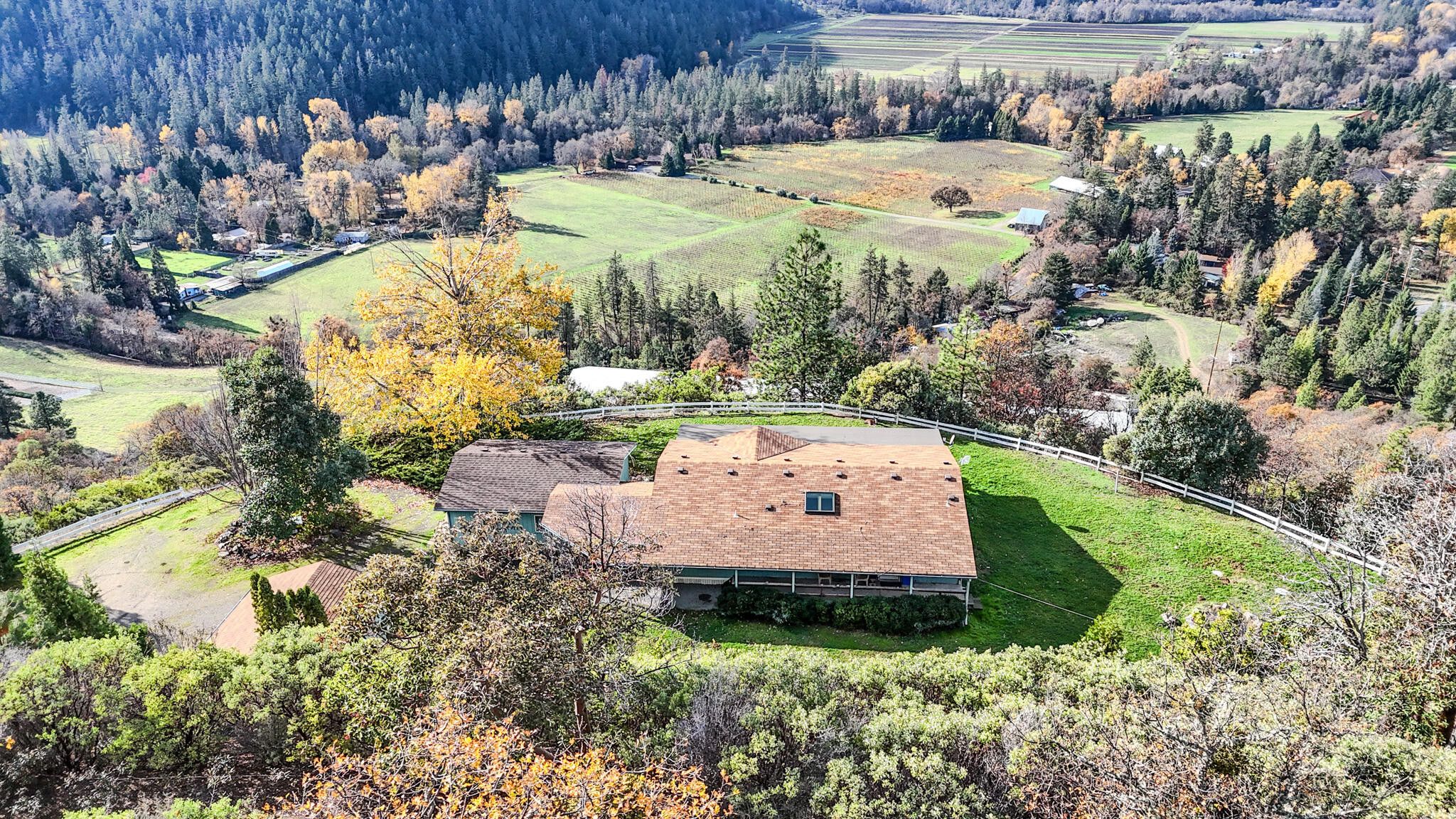
Drone photography can be especially useful because it helps buyers understand the relationship between:
home
pasture
barns
roads
creek or river
neighboring land
acreage
Use Maps and Aerials
Maps can be some of the most useful marketing tools for acreage.
Consider showing:
property boundaries
parcel layout
structures
roads
irrigation
water features
public-land adjacency
A buyer should be able to understand the property before they even schedule a showing.
Tell the Property Story
The marketing should explain why the property matters.
That may be:
horse setup
irrigated pasture
river frontage
shop space
multigenerational living
vineyard potential
farming
recreation
privacy
proximity to town
A list of features is useful.
A clear story is better.
Price Beyond Square Footage
Acreage property should not be priced only by the house.
Value may come from:
usable land
water
irrigation
zoning
barns
shops
second residences
views
privacy
waterfront
fencing
agricultural utility
A rural pricing analysis should account for the entire property.
Make Showings Easy to Navigate
Large properties can be confusing during showings.
Consider:
clearing access roads
labeling buildings
providing maps
identifying parcel boundaries
explaining which gates open
pointing out water systems
showing irrigation areas
A buyer should leave with a better understanding of the property, not more questions.
Fix What Creates Friction
You do not have to renovate everything.
Focus on issues that may create unnecessary hesitation.
Examples include:
broken gates
active leaks
obvious electrical concerns
inaccessible buildings
heavy clutter
unsafe stairs
blocked roads
missing records
Small fixes can sometimes have an outsized effect on buyer confidence.
Prepare for Rural Due Diligence
Rural buyers may investigate:
well
septic
water rights
zoning
access
easements
permits
boundaries
irrigation
outbuildings
insurance
wildfire exposure
Expect detailed questions.
The more organized the property information is, the smoother this process can be.
Decide What Is Included
Be clear about what stays with the property.
Potential confusion can involve:
tractor
irrigation equipment
portable fencing
livestock equipment
appliances
generators
shop equipment
trailers
sheds
Clarifying inclusions and exclusions early helps avoid misunderstandings.
Think About the Likely Buyer
Not every acreage property appeals to the same buyer.
Potential buyers may include:
horse owners
hobby farmers
ranchers
retirees
investors
out-of-state buyers
multigenerational families
recreational buyers
Understanding the likely buyer helps determine what should be emphasized in the marketing.
How Hoof & Vine Prepares Acreage Property
Hoof & Vine approaches acreage listings around the entire property.
That means understanding:
land
water
improvements
zoning
access
buyer audience
visual marketing
property story
The goal is to make the property easier to understand and easier for qualified buyers to evaluate.
Thinking About Selling Acreage in Southern Oregon?
If you own acreage, a farm, ranch, vineyard, equestrian property, waterfront property, or rural estate in Southern Oregon, thoughtful preparation can make a meaningful difference in how the property is presented to the market.
Hoof & Vine can help you identify what matters most before the property goes live.
This article is for general educational purposes only. Property-specific legal, zoning, water, septic, permitting, tax, and regulatory questions should be verified with the appropriate agencies and qualified professionals.
Related Southern Oregon Rural Property Resources

Selling Rural Property
How to Sell a Ranch in Southern Oregon
How to Sell a Ranch in Southern Oregon

Acreage
How Rural Acreage Is Valued in Southern Oregon
How Rural Acreage Is Valued in Southern Oregon

Equestrian
Buying Horse Property in Southern Oregon
Buying Horse Property in Southern Oregon
Have Questions About Rural Property in Southern Oregon?
Talk with Hoof & Vine about farms, ranches, vineyards, acreage, equestrian property, water, zoning, or selling a distinctive rural property.